CITY DEEP DIVE
Shanghai for First-Time Visitors
Shanghai is a fast, layered, river-cut city. Two to three full days is enough for a first taste; longer if you want the neighborhoods to open up.
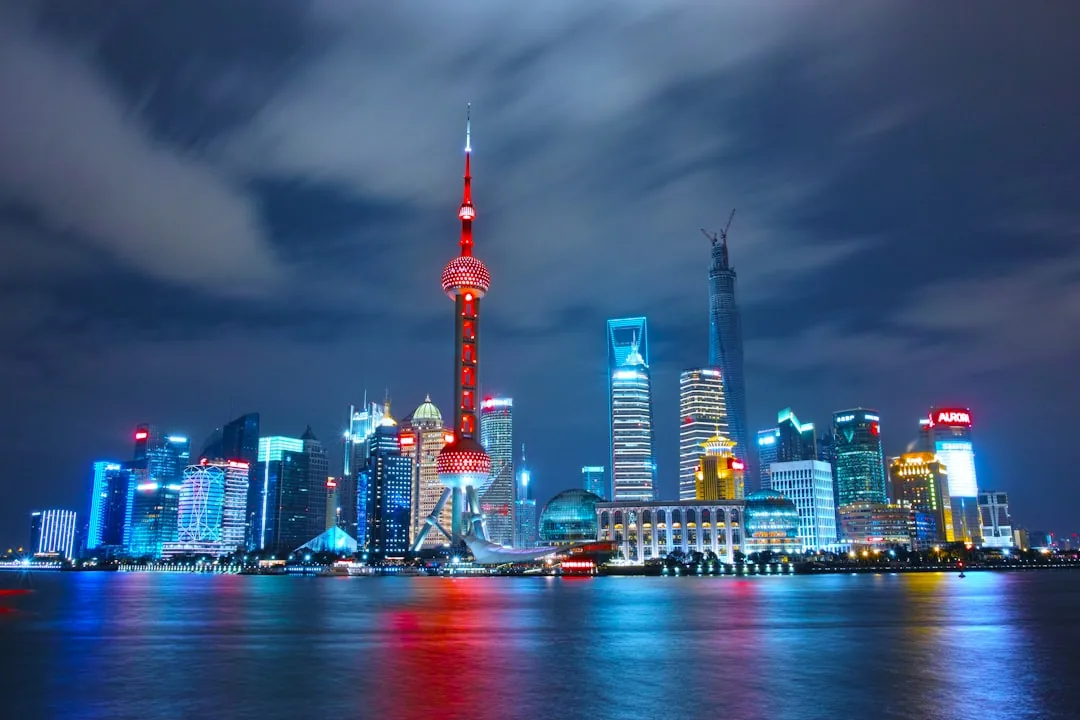
1. The mental map: a river splits the city in two
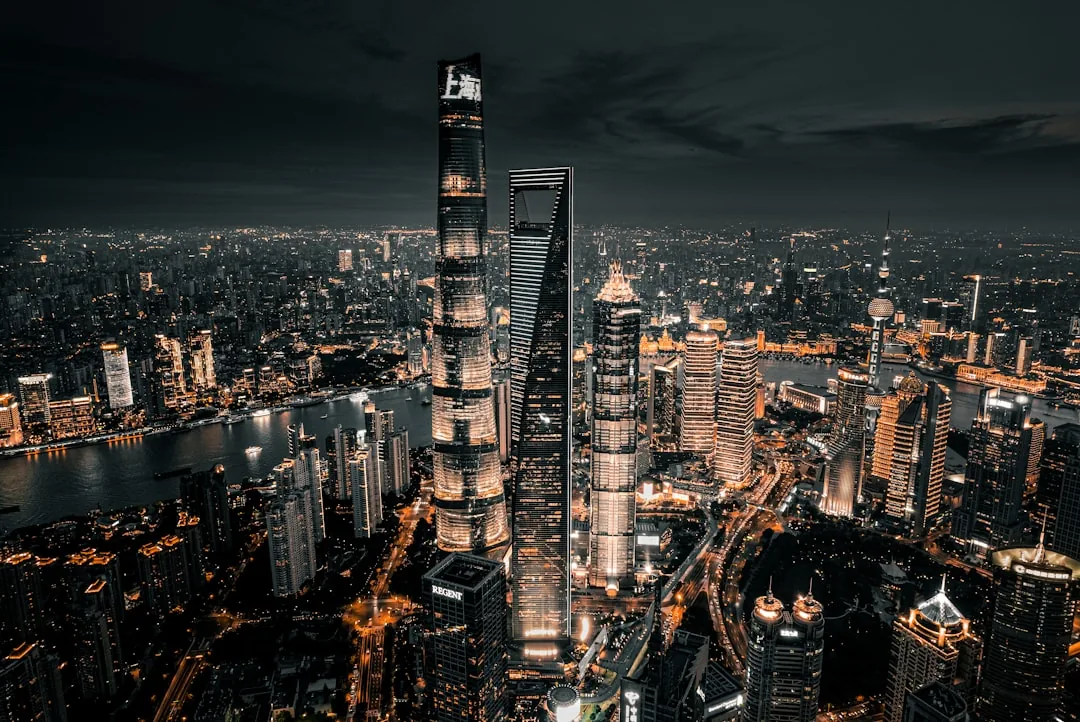
The single most useful thing to internalize about Shanghai is that the Huangpu River cuts the central city into two halves. On the west bank is Puxi, the historic city: the Bund, the former French Concession, the old town, People's Square. On the east bank is Pudong, the modern financial district: Lujiazui's three super-tall towers, the Shanghai Tower, the international airport (PVG). Most of the things first-time visitors actually want to see and walk through are on the Puxi side. Pudong is what you photograph from across the water.
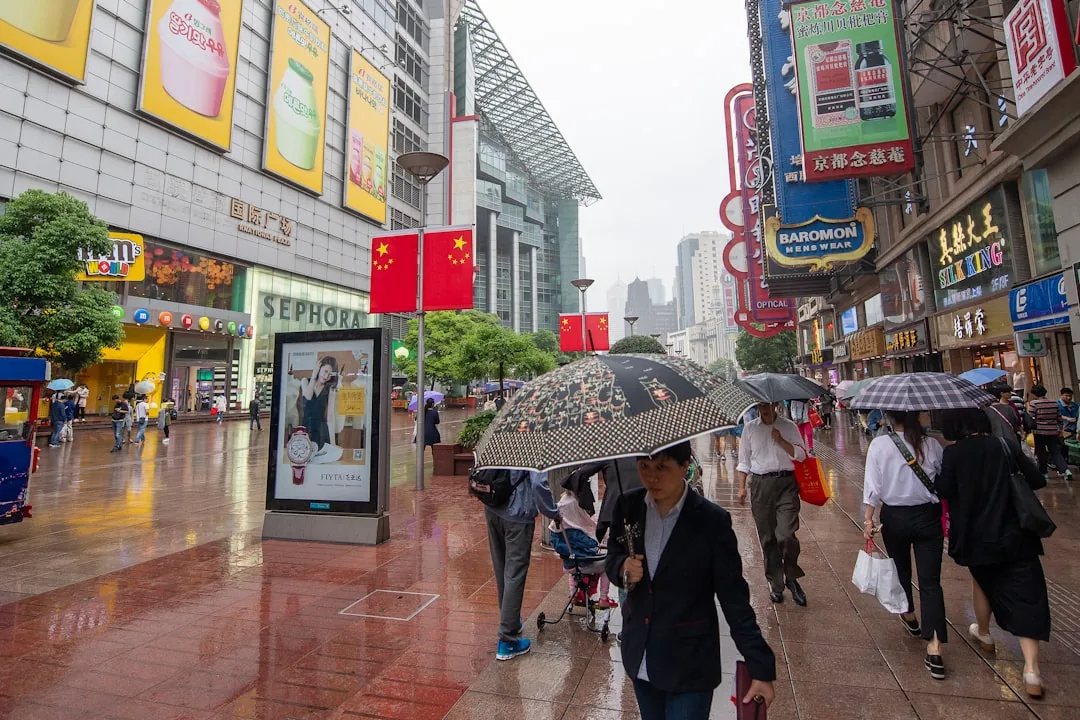
Within Puxi, the second mental layer is the difference between the strict colonial-era grid (the Bund and Nanjing Road) and the leafy, low-rise former French Concession, where plane trees, café streets, art-deco apartment blocks, and lane houses give Shanghai its distinct walking texture. Most first-time travelers underrate the former French Concession; do not.
2. The must-see core
- The Bund (Waitan). The riverside promenade lined with 1920s-30s European buildings, with Lujiazui's skyscrapers on the other bank. Best at dusk: you see the historical facades while the modern skyline lights up across the water.
- Lujiazui skyline. Cross to Pudong once, go up either the Shanghai Tower observation deck or the Shanghai World Financial Center. Pick a clear day.
- The former French Concession. Wander Wukang Road, Anfu Road, Wulumuqi Road, Yongkang Road. This is the part of Shanghai that locals love most. Plan an afternoon of slow walking with two café stops.
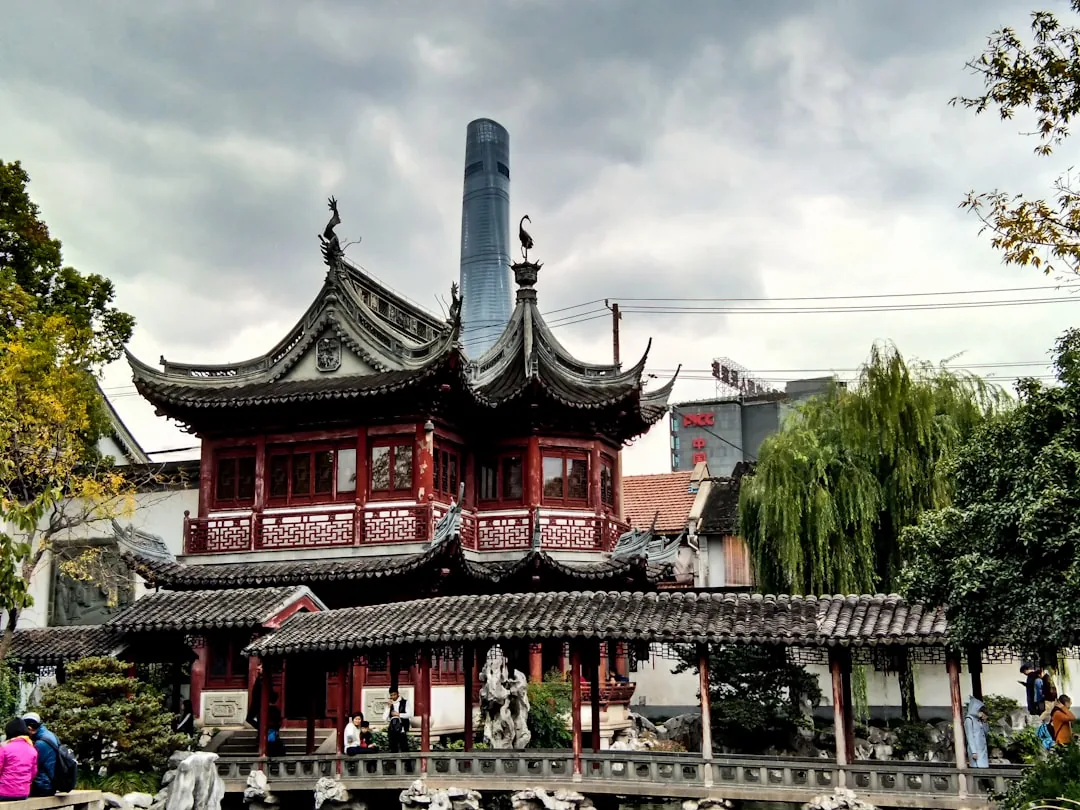
- Yu Garden and the old town. A classic Jiangnan-style garden surrounded by a reconstructed old quarter. Touristy but architecturally legit; go in the morning before the crowds.
- Xintiandi and Tianzifang. Two heritage-lane redevelopments. Xintiandi is upscale and polished; Tianzifang is denser and craft-shop heavy. Pick one based on mood.
- Shanghai Museum (People's Square). One of China's best general museums. Free entry with reservation; two hours minimum.
- West Bund / Power Station of Art. Riverside contemporary art district on the southern Puxi waterfront. For travelers who like museums over monuments.
3. Where to stay
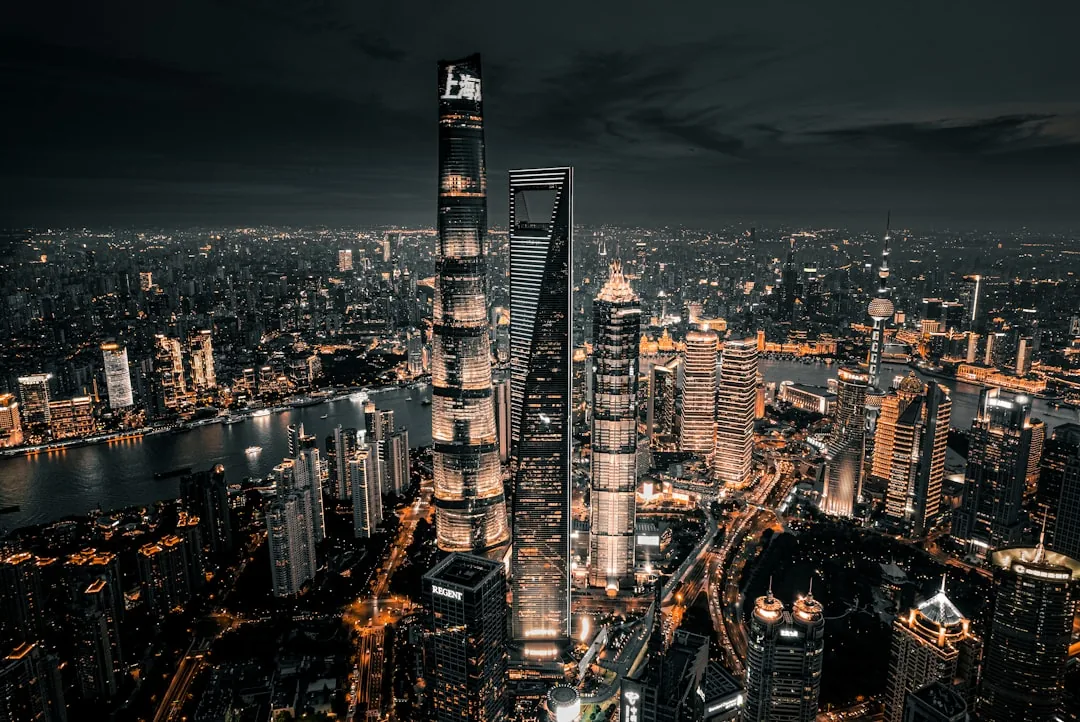
Shanghai rewards staying in the right neighborhood more than almost any other Chinese city, because the character of your trip changes block by block.
| Area | Feels like | Best for |
|---|---|---|
| The Bund / Nanjing Road East | Riverside, classic Shanghai postcard | First-timers who want the view |
| People's Square / Nanjing Road West | Central, museums, malls, metro hub | Travelers who hate transferring |
| Former French Concession (Xuhui / Jing'an) | Tree-lined, low-rise, café-dense | Walkers, design lovers, longer stays |
| Xintiandi / Huaihai Road | Upscale, polished, restaurant-heavy | Couples, business, comfort over local color |
| Lujiazui (Pudong) | Skyscraper, business hotel | Conference travelers, airport transit |
For a classic first trip, base around the Bund, People's Square, or the eastern edge of the former French Concession. Avoid Hongqiao or far-Pudong locations even if the metro looks fast on the map.
4. Food
Shanghai cuisine itself is sweet, oily, and rich, but the city's real food strength is range. You can eat well across every regional cuisine in the country in a one-square-kilometer area in Xuhui or Jing'an.
- Xiaolongbao. Soup-filled steamed buns. Go to a proper place; pierce the wrapper, drain the soup into your spoon, then eat. Cheap and excellent at hole-in-the-wall shops too.
- Shengjianbao. Pan-fried buns, crispy bottom, soup inside. A breakfast and snack staple.
- Cong you ban mian. Scallion-oil noodles. Plain looking, addictive.
- Hongshao rou. Red-braised pork belly. The classic Shanghai home dish.
- Hairy crab. A late-autumn specialty (October-November). Only worth chasing if you're here in season.
- Café and bakery scene. Genuinely strong. The city has one of the densest specialty coffee scenes in Asia.
5. Transport inside the city
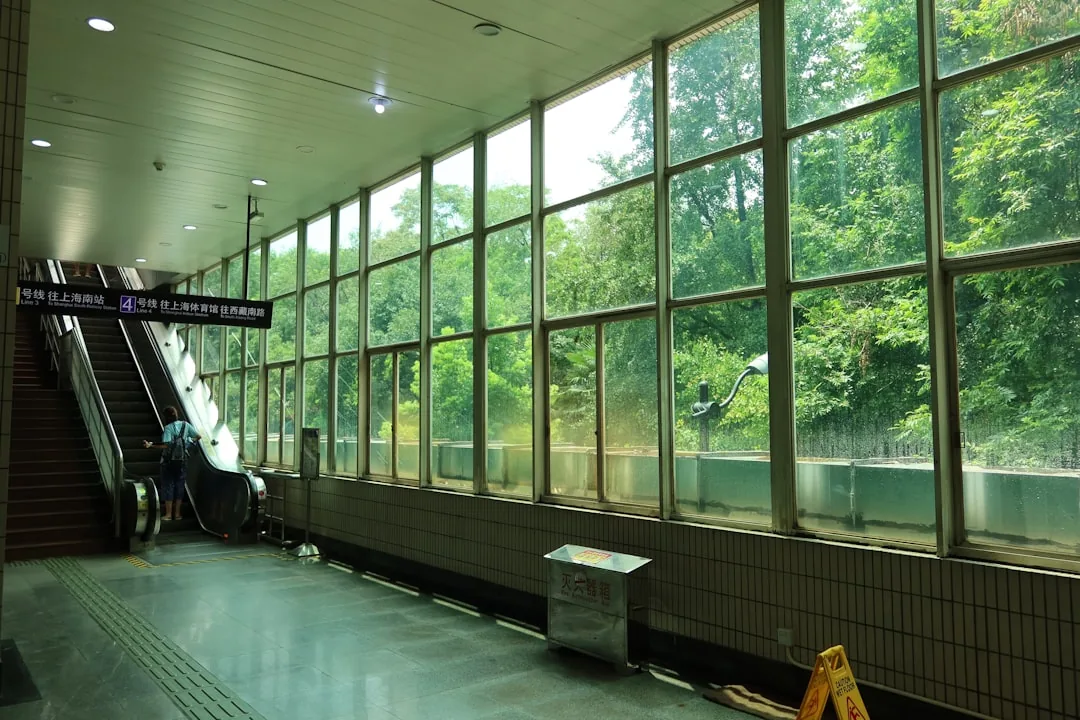
The Shanghai metro is the largest in the country, well-signed in English, and the right tool for almost every tourist day. Two practical notes: avoid metro rush hour (Line 2 is brutal at 8-9 am), and use a ride-hailing app rather than flagging cabs in heavy rain or near the Bund on weekends. The airport link from Pudong (Maglev or metro Line 2) is straightforward; Hongqiao is even simpler because it shares a station with the high-speed rail terminal.
6. A simple 3-day skeleton
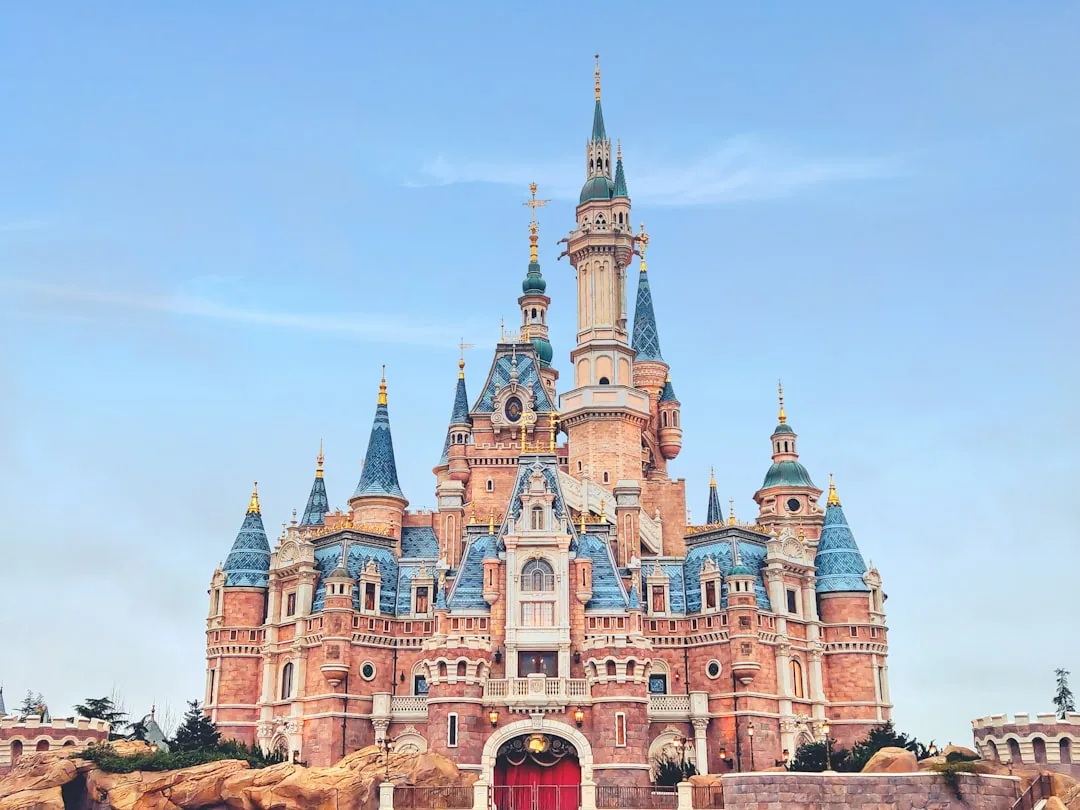
- Day 1 - Classic Shanghai. Morning at Yu Garden and the old town, afternoon Bund walk and the Shanghai Museum, sunset back at the Bund, dinner in Xintiandi or near Nanjing Road.
- Day 2 - Former French Concession. Slow morning starting at Wukang Mansion, café stop, lunch on Anfu Road, afternoon through Tianzifang or West Bund, evening drinks at a rooftop in Jing'an.
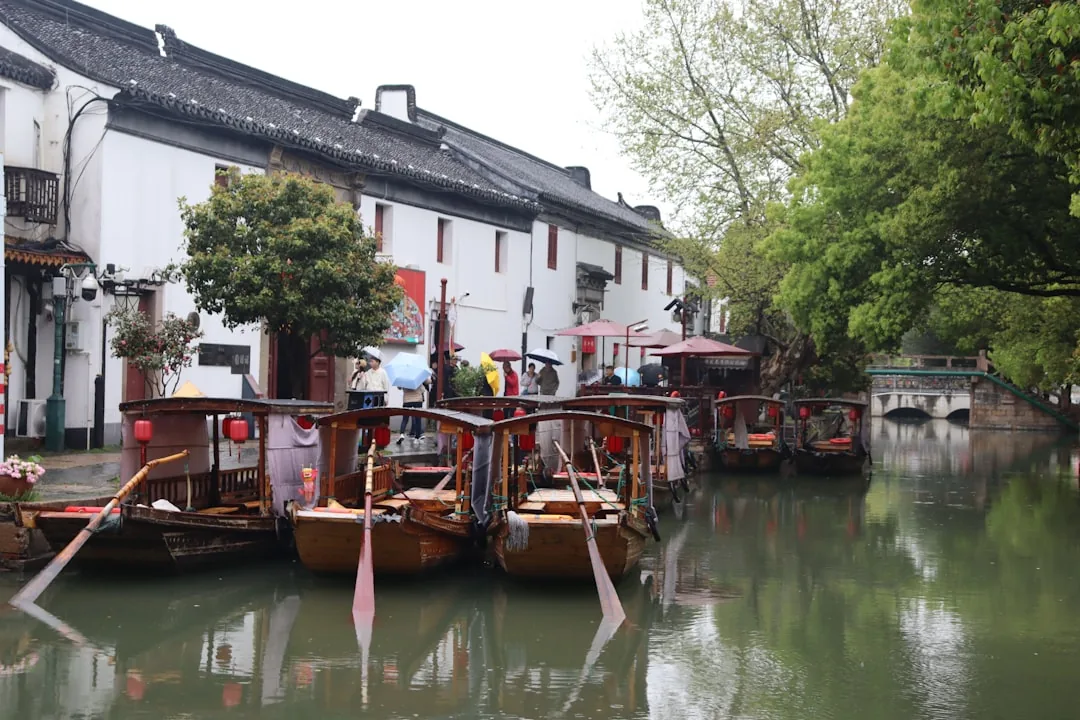
- Day 3 - Pudong and beyond. Morning at the Shanghai Tower observation deck, afternoon at the Shanghai Disneyland if traveling with kids, or a day trip to Zhujiajiao or Suzhou by high-speed rail if not.
7. Things that surprise first-time visitors
- Shanghai is genuinely the easiest large city for English-only travelers, but small restaurants outside the central districts still operate in Chinese only.
- Distances inside the central area are walkable; do not over-metro short hops in the former French Concession.
- Most museums (including the Shanghai Museum) require a free reservation in advance, not just walk-up.
- The summer is hot and humid; plan museum and mall time during the peak afternoon heat in July-August.
- Suzhou and Hangzhou are 30 to 60 minutes away by high-speed rail; if you have a 4th or 5th day, do a day trip rather than another Shanghai day.
8. Where to go next
Shanghai pairs naturally with Hangzhou (45 minutes by high-speed rail) for a "city + lake" combination, or with Suzhou (25 minutes) for classical gardens. Going further: Beijing is about 4.5 hours north by rail, and Huangshan (Yellow Mountain) is around 3 hours south for scenery.
See a 7-day route Compare 12 major cities City Matcher tool
Start with a well-located hotel, then add trains once your route is set.
Find hotels on Trip.com →