CITY DEEP DIVE
Chengdu for First-Time Visitors
Chengdu is the easiest large Chinese city to slow down in. Pandas, spicy food, teahouses, and a flat ring-road layout: two and a half days in the city, plus a day or two for nearby mountains.
1. The mental map: ring roads around a flat basin
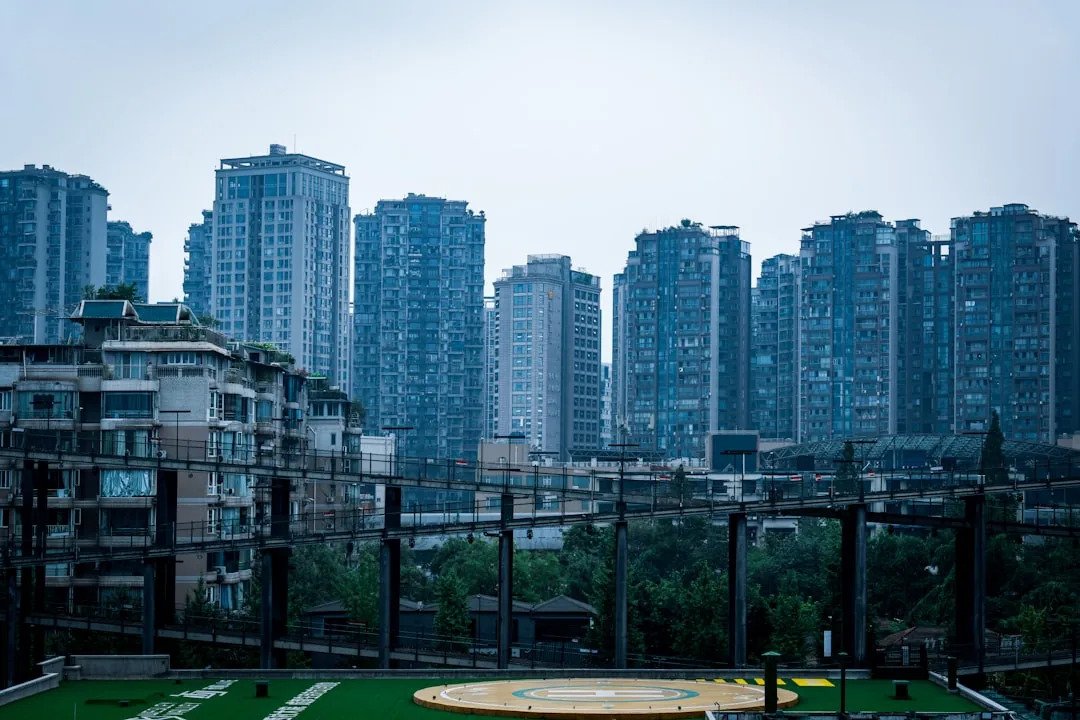
Chengdu sits in the middle of a flat basin and grows in concentric ring roads. Almost everything a first-time visitor cares about is inside the Second Ring Road, with two key exceptions: the Giant Panda Breeding Research Base in the north, and the day-trip destinations (Leshan, Mount Emei, Qingcheng Mountain, Dujiangyan) outside the city. The center has no dramatic geographic feature - no river that splits it, no axis like Beijing's - so the city feels uniformly walkable.
The most useful core anchors are Tianfu Square (geographic center), the Jinli and Wuhouci area (heritage commercial street + Three Kingdoms temple), People's Park (teahouse and locals), Kuanzhai Alleys (touristy heritage lanes), and Taikoo Li / Sino-Ocean Taikoo Li (modern shopping + Daci Temple). You can build a perfectly good two-day base around these five anchors.
2. The must-see core
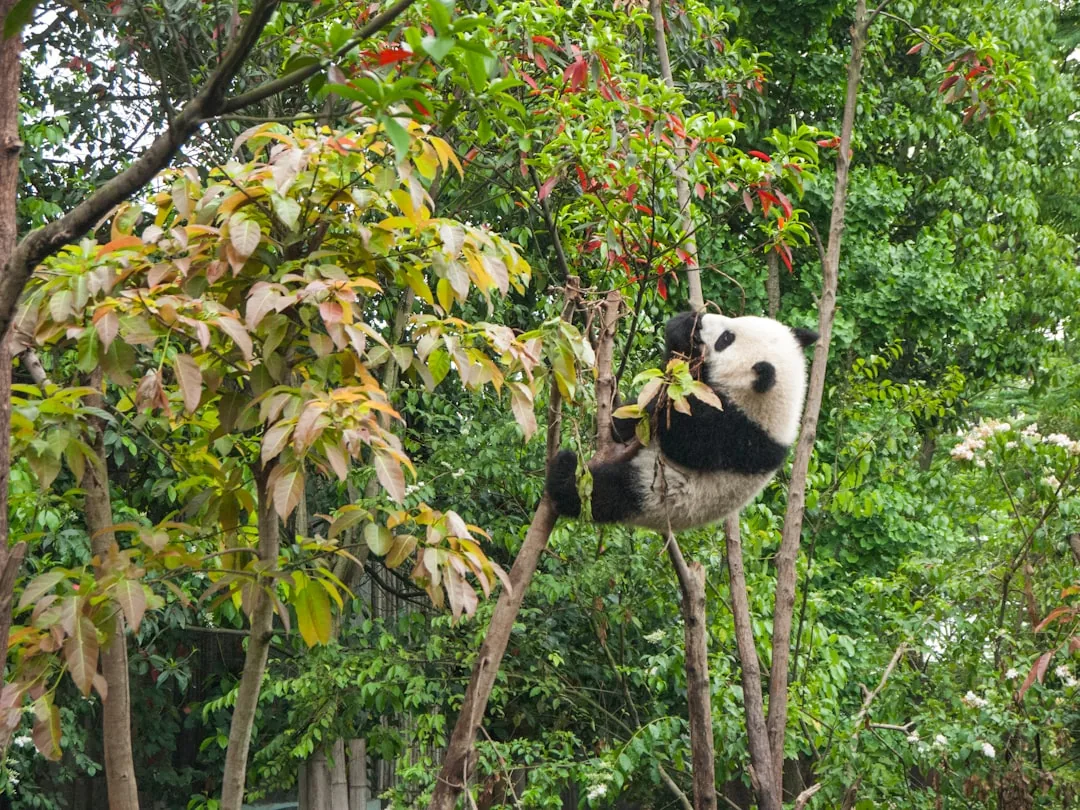
- Giant Panda Breeding Research Base. The single biggest tourist anchor in Chengdu. Pandas are most active in the cool morning, especially during feeding. Go early (gates around 7:30 am), expect crowds, plan three to four hours. Advance reservation required.
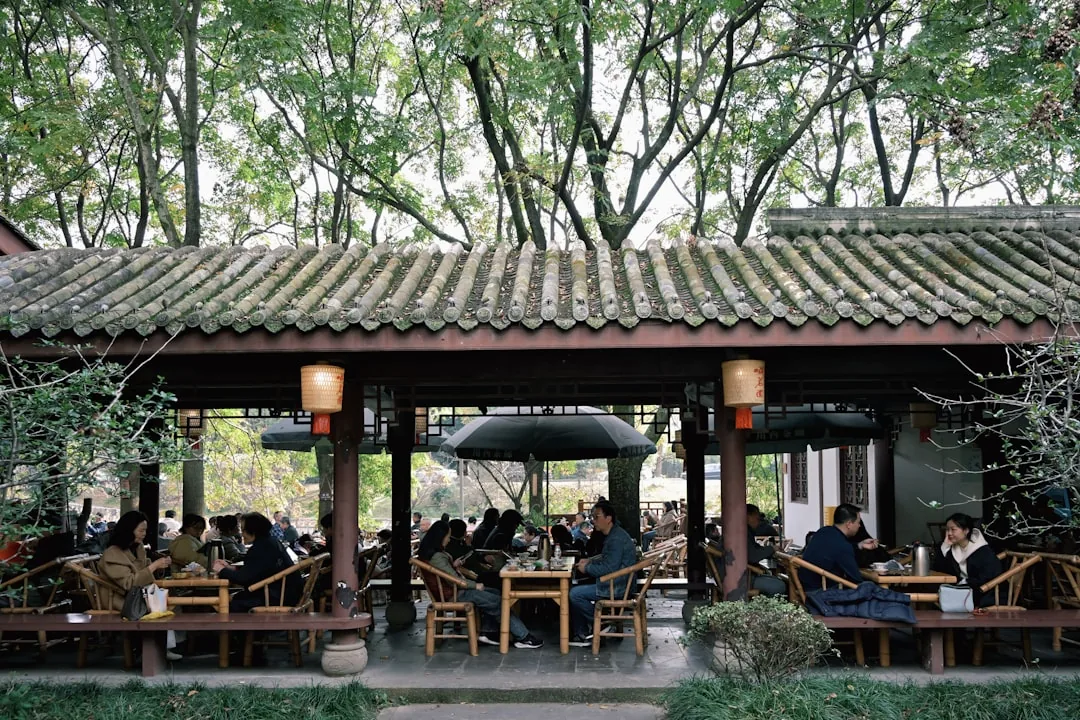
- People's Park (Renmin Park). The Chengdu vibe in one location: a public park with the city's most famous teahouse (He Ming), retirees playing cards and mahjong, ear-cleaning vendors, dancers, a matchmaking corner. Best on a weekday afternoon.
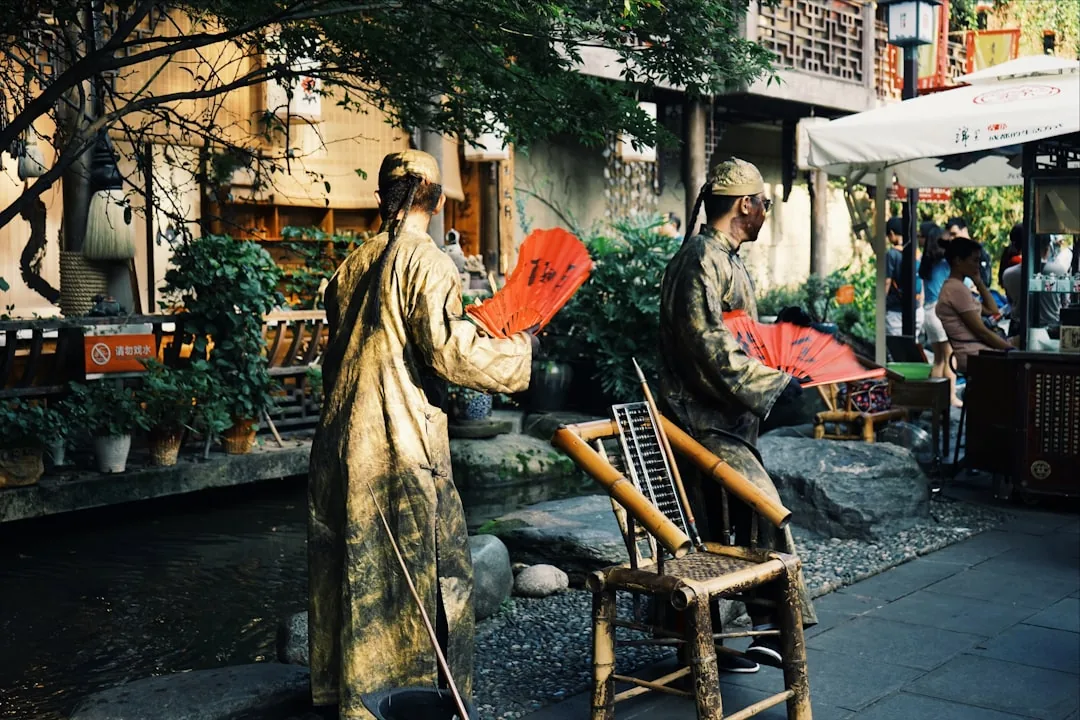
- Wuhou Temple and Jinli Old Street. Three Kingdoms history (Liu Bei, Zhuge Liang) inside a temple compound, attached to a heritage commercial street with snacks, performances, and souvenirs. Touristy but worth one half-day.
- Kuanzhai Alleys (Kuanzhai Xiangzi). Three restored historic lanes: Kuan (Wide) Alley, Zhai (Narrow) Alley, Jing (Well) Alley. Bars, teahouses, restaurants, gift shops. Pretty at dusk.
- Du Fu Thatched Cottage. Memorial garden for one of China's most loved poets. Calm, leafy, half-day at most.
- Jinsha Site Museum. Sun-and-Immortal-Bird gold artifact, Bronze Age Shu culture. Undersold in international guidebooks; worth two hours.
- Sichuan opera face-changing (bian lian). Catch one evening show. The face-changing is the famous bit, but a full show also includes hand shadow, fire-spitting, and comedy.
3. Where to stay
Chengdu is small enough by China standards that choosing the wrong area is forgivable. Still, your trip will be smoother if you stay inside the Second Ring.
| Area | Feels like | Best for |
|---|---|---|
| Tianfu Square / Chunxi Road | Central, transit hub, shopping | Travelers who want one base for everything |
| Kuanzhai Alleys / People's Park | Heritage + tourist street feel | First-timers who want walkability to landmarks |
| Taikoo Li / Daci Temple | Modern, upscale, good restaurants | Couples, comfort-first travelers |
| Wuhouci / Tibetan Quarter | Heritage, ethnic mix, low-key | Travelers heading to Tibetan-area mountains next |
| Near Chengdu East Railway Station | Less atmosphere, very convenient for high-speed rail | Quick transit stops only |
4. Food
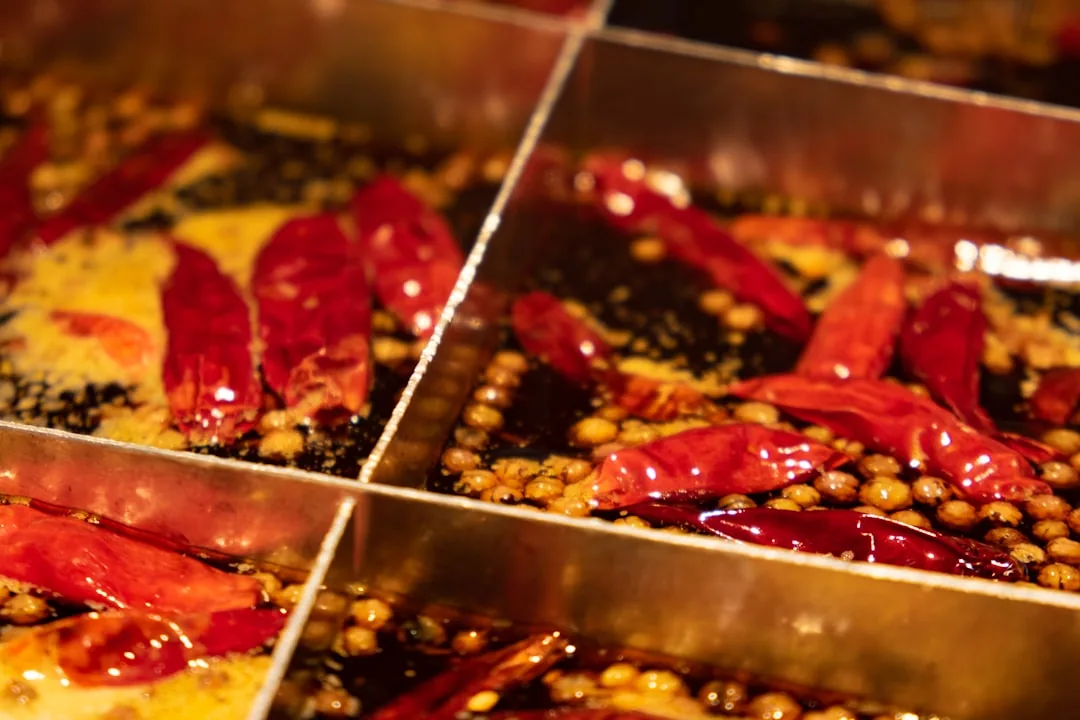
Chengdu is one of UNESCO's Cities of Gastronomy, and the only reason most international travelers come back. Sichuan cuisine is much wider than just "spicy" - it includes plenty of mild dishes - but the heat is real. Pace yourself.
- Sichuan hot pot. The headline dish. Pick a place with a yuanyang (split) pot so you can have one spicy and one mild side; foreigners often misjudge the heat of the first dip.
- Mapo tofu. The original. Try it at a serious Sichuan restaurant, not a tourist canteen.
- Dan dan noodles. Small portion, big flavor. A snack, not a main.
- Sweet water noodles (tian shui mian). Sweet, garlicky, chili. Sounds odd, works.
- Fuqi feipian. Cold sliced beef with chili oil and Sichuan pepper. The dish that introduces most foreigners to numbing (ma).
- Mala chuanchuan / skewers. The evening street version of hot pot.
- Mild Sichuan. Ask for tea-smoked duck, kung pao chicken (real version, not Western), boiled fish in chili oil. There are dozens of non-spicy classics.
If your stomach is sensitive, do two spicy meals max per day, alternate with a mild Cantonese or noodle meal, and start each spicy session with rice and bone-broth soup.
5. Transport inside the city
Chengdu metro is clean, English-signed, and reaches almost everywhere a tourist needs. Taxis and ride-hailing are cheaper than in Beijing or Shanghai. For the Panda Base, take the metro and a final taxi rather than improvising. For Leshan or Mount Emei, use the high-speed rail rather than a tour bus.
6. A simple 3-day skeleton (with one day trip)
- Day 1 - Center. Morning at Wuhou Temple + Jinli, afternoon at People's Park teahouse, dinner hot pot, optional Sichuan opera in the evening.
- Day 2 - Pandas + heritage. Early morning at the Panda Base, afternoon at Kuanzhai Alleys and Du Fu Thatched Cottage, evening at Taikoo Li.
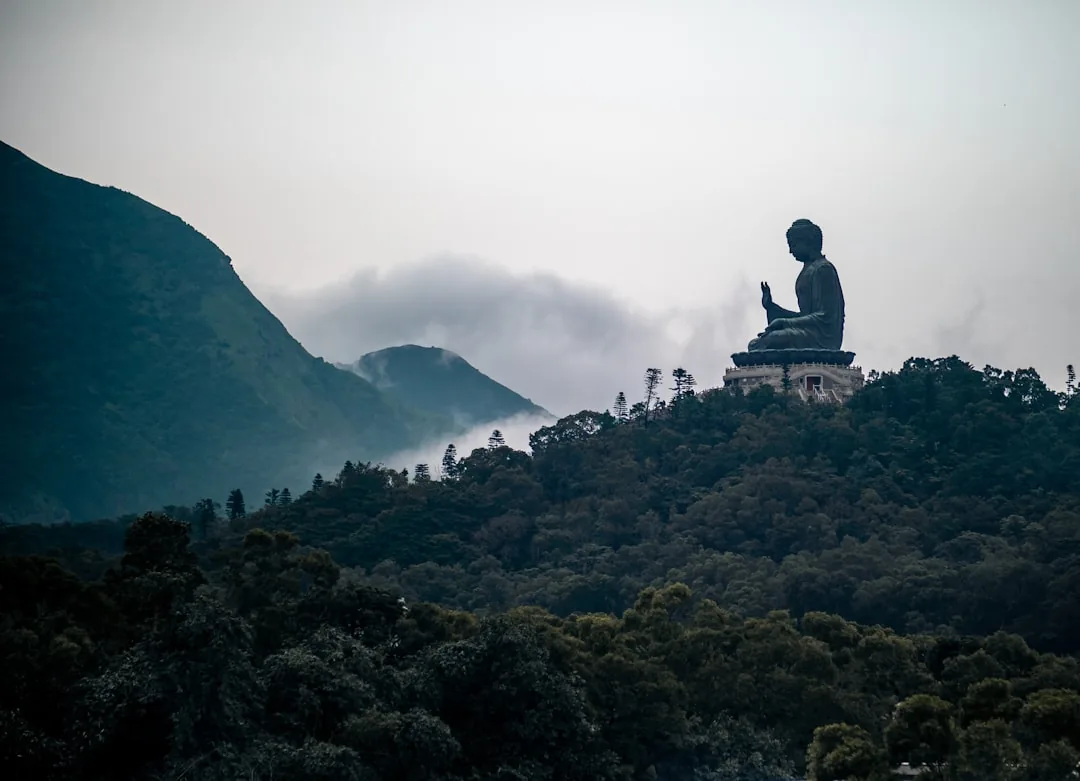
- Day 3 - Day trip. Pick one: Leshan Giant Buddha (about 1 hour by high-speed rail), Mount Emei for hiking and a stay, Dujiangyan + Qingcheng Mountain for ancient irrigation engineering plus Daoist mountain.
7. Things that surprise first-time visitors
- The pace of life is visibly slower than Beijing or Shanghai - locals expect to linger over tea, not rush.
- The Sichuan numbing pepper (ma) is not in any Western dish that calls itself "spicy"; do not assume tolerance carries over.
- Pandas sleep most of the afternoon. The early-morning rule is real.
- Many travelers underbudget transport time to the Panda Base; it can be a 1+ hour ride one way during rush.
- Tibetan-quarter shops sell genuine ritual items - mind the prices and the cultural context.
8. Where to go next
Chengdu is a natural anchor for southwest China. Common next stops: Chongqing (1.5 hours by high-speed rail, completely different city), Mount Emei + Leshan (one or two days), Jiuzhaigou + Huanglong for high-altitude scenery (more remote), or Lhasa by train if you have the time and permits.
See a 10-day route Compare 12 major cities City Matcher tool
Start with a well-located hotel, then add trains once your route is set.
Find hotels on Trip.com →