CITY DEEP DIVE
Beijing for First-Time Visitors
The capital is a slow city wrapped around a few iconic axes. If it is your first stop in China, plan three to four full days and let the scale set the pace.
1. The mental map: a city built on a north-south axis
Most first-time visitors get lost because they treat Beijing like a European old town with one charming center. Beijing is not that. The city is built around a long imperial axis running north to south, and almost every famous site sits on or just off that line: the Bell and Drum Towers in the north, then Jingshan Park, the Forbidden City, Tiananmen Square, and Qianmen heading south. Once you internalize the axis, the city's geometry stops feeling random and your daily routes become obvious.
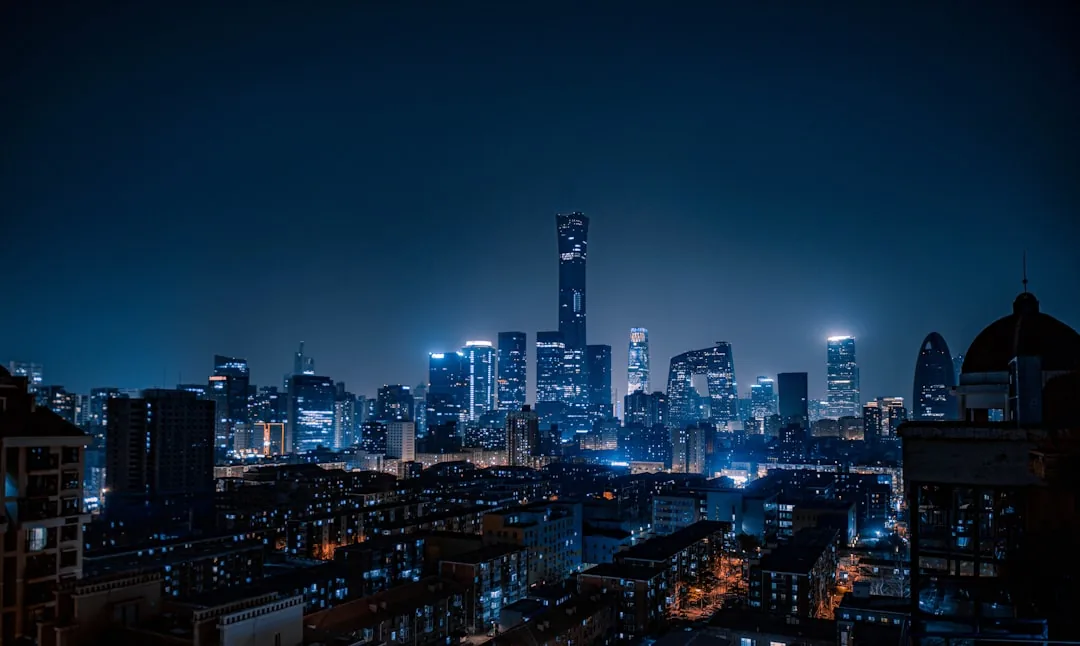
Around that axis sits the old city, mostly inside what locals call the Second Ring Road. This is the layer of hutong alleys, courtyard houses, and grey walls that international visitors come for. Outside the Second Ring, the city becomes modern: wide multi-lane avenues, business districts like Guomao and Wangjing, and university clusters in Haidian. Both layers are part of Beijing, but on a first trip you should spend 70 to 80 percent of your time inside the Third Ring.
2. The must-see core (and what each really is)
Beijing's reputation rests on four or five sites. Skipping them is fine; under-planning them is not.
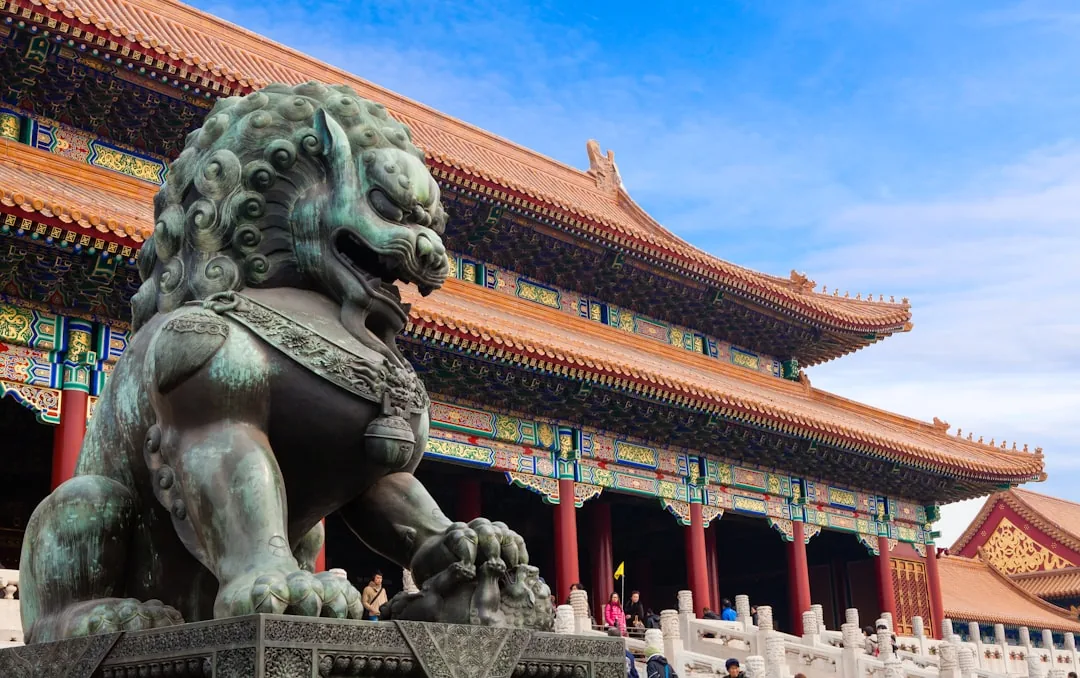
- Forbidden City (Palace Museum). The largest preserved imperial palace in the world. Plan at least three to four hours and walk it from south (Meridian Gate) to north (Gate of Divine Prowess). Reservation is required and tickets are typically released several days in advance with daily caps. Treat it as the anchor of one full day.
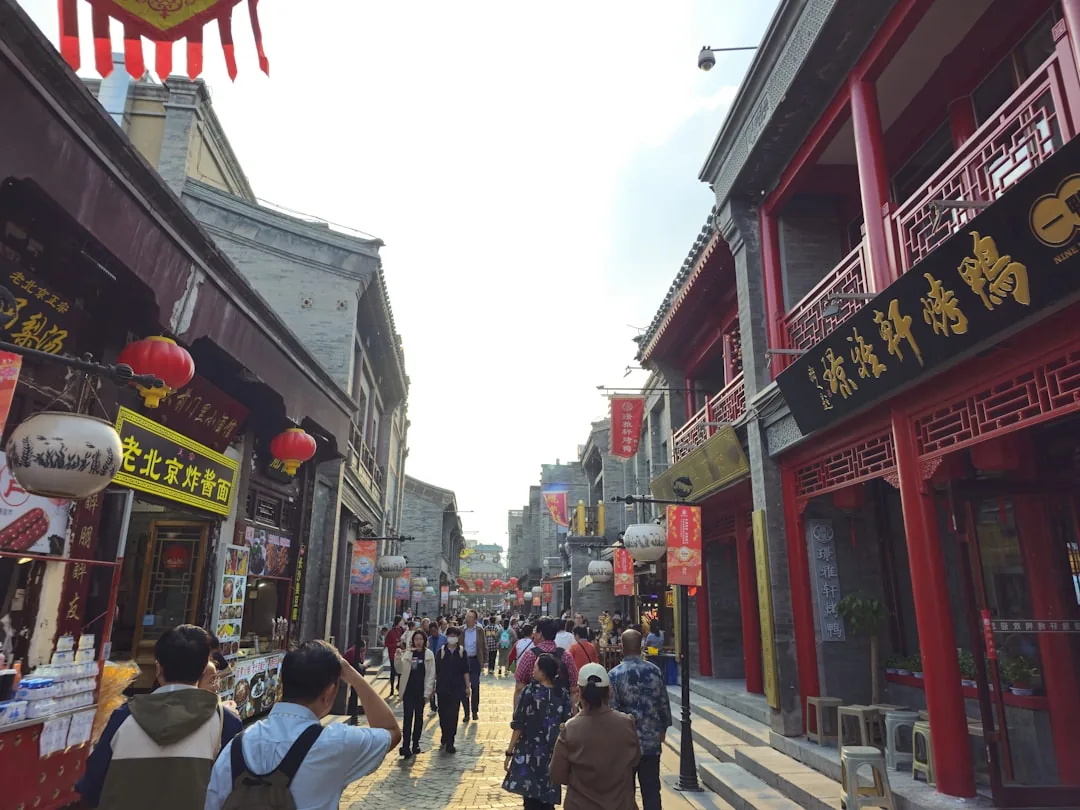
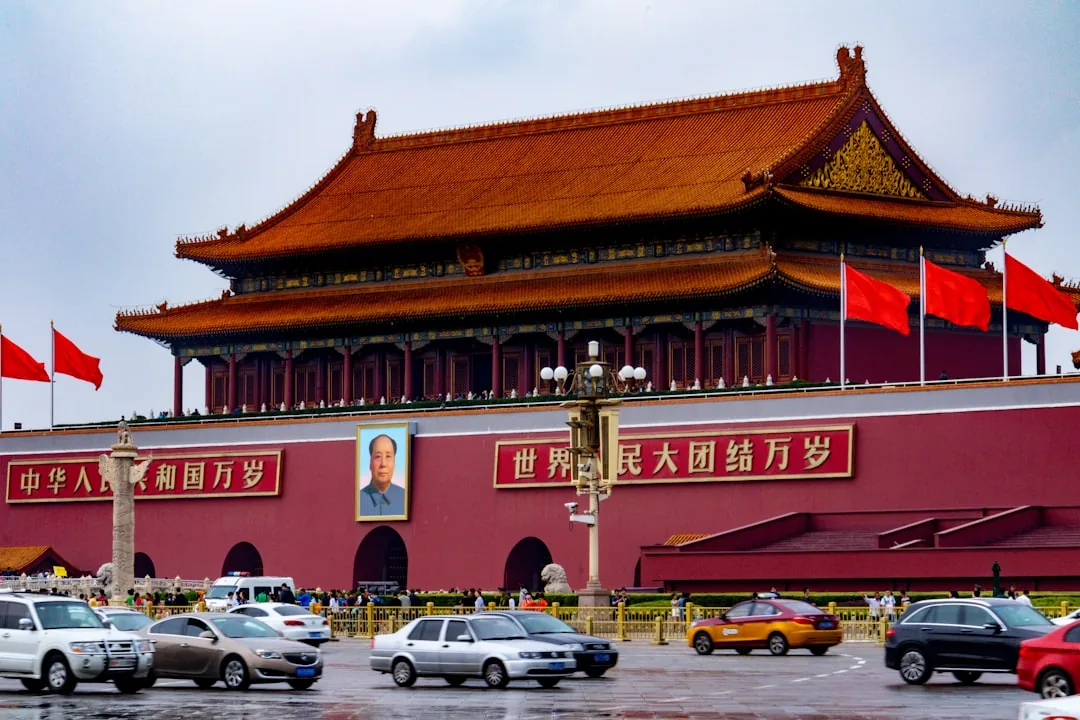
- Tiananmen Square and Qianmen. Symbolic and very large. Most travelers walk through the square as part of a Forbidden City day, then drift south to Qianmen Street for a late lunch and the rebuilt commercial alleys.
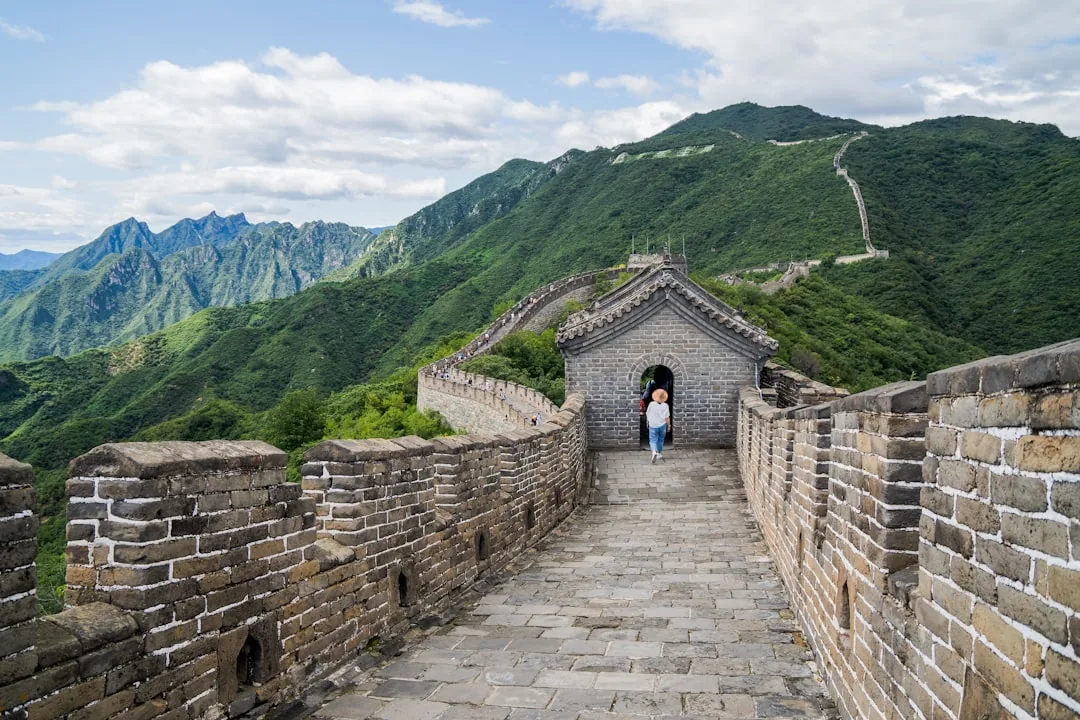
- Great Wall. Not in Beijing's downtown. The two most common day-trip sections for first-timers are Mutianyu (well restored, cable car, lighter crowds, family friendly) and Badaling (the most accessible, the most crowded, the easiest by public transport). For a wilder feel and willing knees, look at Jinshanling. Budget a full day from the city.
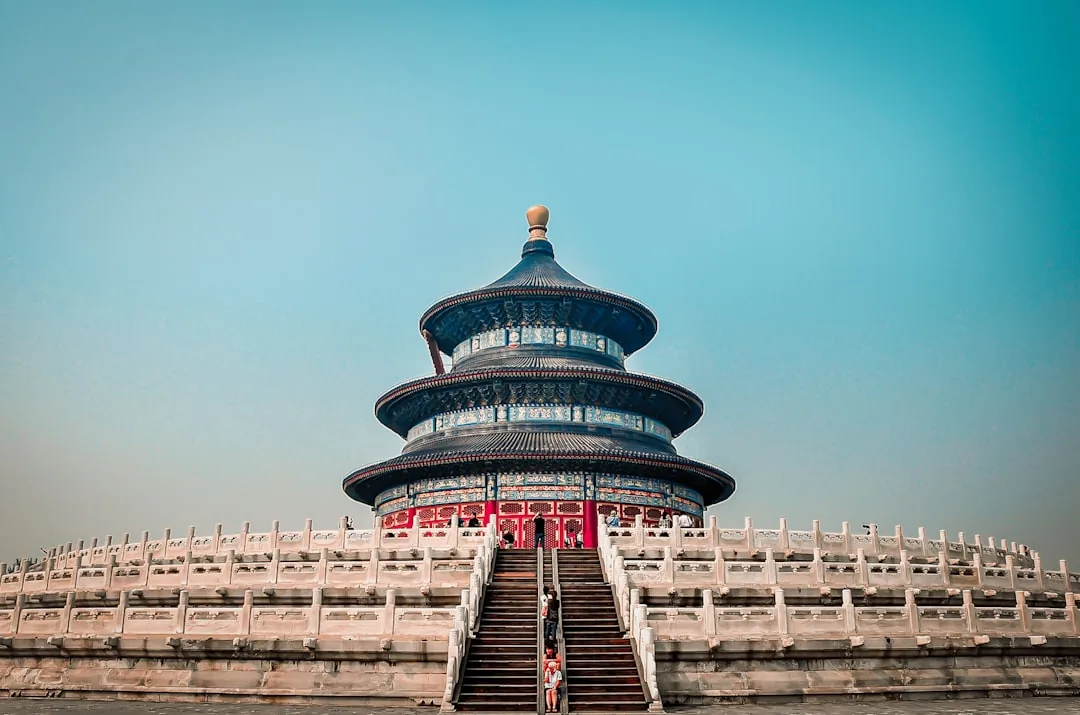
- Temple of Heaven. A ceremonial complex set inside a circular park. The architecture matters, but so does the morning park life: locals doing tai chi, choirs, ribbon dancers, calligraphy on the ground. Go early and walk the park before the temple itself.
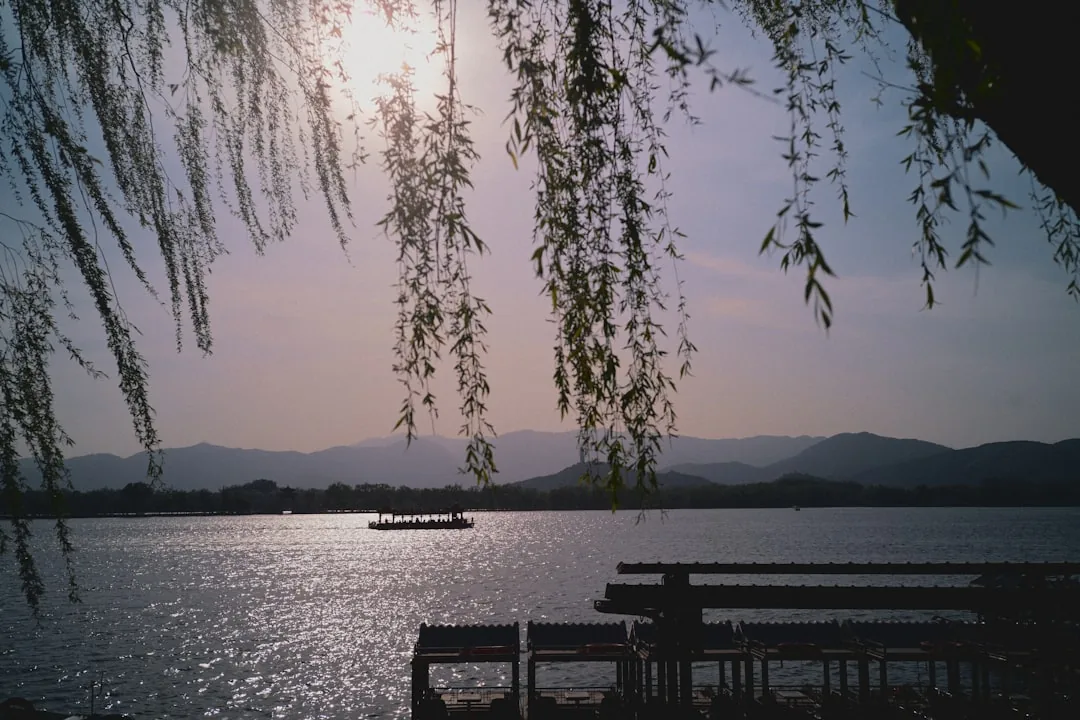
- Summer Palace. Kunming Lake, the Long Corridor, Longevity Hill. A former imperial retreat in the northwest. Best on a clear afternoon, not on a rainy day when half its charm disappears.
- Hutong neighborhoods. Not a single spot. The most accessible clusters are around Nanluoguxiang and the Drum and Bell Towers in the north, and around Yandai Xiejie and Houhai Lake. Walk slowly and turn into side alleys.
3. Where to stay: pick a base by what you want to feel
Choosing the wrong neighborhood is the single most common Beijing mistake. The city is too large to "stay anywhere and metro everywhere," because line transfers eat up real time.
| Area | Feels like | Best for |
|---|---|---|
| Wangfujing / Dongcheng core | Central, walkable to Forbidden City, mid-range hotels | First-time visitors who want simplicity |
| Qianmen / Dashilan | Old-Beijing flavor, traditional shops, more tourists | Travelers who care about the imperial axis |
| Houhai / Drum Tower | Lakes, hutong, bars, slower pace | Couples, photographers, walkers |
| Sanlitun / Chaoyang | Modern, embassies, bars, malls, English-friendly | Nightlife, business travelers, longer stays |
| Guomao / CBD | Skyscrapers, business hotels | Conference visitors, transit base |
For a classic first trip we recommend a base inside the Second Ring Road, ideally near a metro line you will use again the next day. Avoid hotels far outside the Fifth Ring no matter how cheap they are.
4. Food: what Beijing actually does well
Beijing is not the food capital of China the way Chengdu or Guangzhou is, but it has a few specialties that are worth treating seriously and a strong national-cuisine scene because diplomats, migrants, and students bring the rest of China with them.
- Peking duck. Try it once at a serious place; the carving and the wrapping ritual are part of the meal. Reserve in advance.
- Zhajiangmian. Hand-pulled wheat noodles with a soybean-paste sauce, mixed at the table with shredded vegetables. A grounded, working-class dish.
- Lamb hot pot (shuan yangrou). Copper pot, clear broth, paper-thin lamb, sesame dipping sauce. Ideal in cold months.
- Jianbing. The morning street crepe. Get it from a small stall before 10 am.
- Imperial / Manchu-Han banquet style. A handful of restaurants do this seriously; mostly worth one upmarket dinner at most.
For a wider palette, Beijing has excellent Sichuan, Yunnan, Cantonese, Xinjiang, and northeastern restaurants. If you are only in the country for ten days and Beijing is your first city, do not over-commit to "imperial heavy" cuisine; you will get tired of it. Mix in a Yunnan or Xinjiang dinner.
5. Transport inside the city
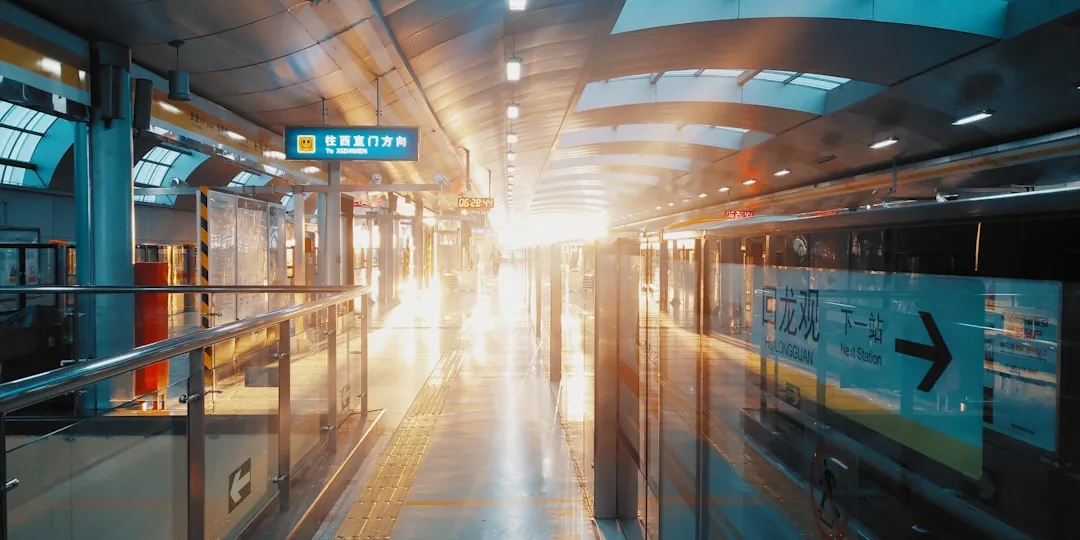
Beijing's metro is large, cheap, signed in English, and the right tool for almost every tourist day. Two practical rules: buy or load a transit QR code in your map app before your first ride, and do not try to taxi during evening rush. Surface traffic in Beijing is genuinely heavy. For a Great Wall day, use a pre-booked car or a known shuttle rather than improvising at 7 am.
6. A simple 3-day skeleton
- Day 1 - Imperial axis. Tiananmen Square mid-morning, Forbidden City south to north, late lunch at Qianmen, late afternoon at Jingshan Park for the rooftop view of the palace at sunset.
- Day 2 - Great Wall. Full day at Mutianyu or Badaling. Be back in town for a duck dinner.
- Day 3 - Old city pace. Temple of Heaven in the morning when the locals are out, hutong walk and lunch around Nanluoguxiang or the Drum Tower in the afternoon, optional Houhai evening for lake views.
If you have a 4th day, add the Summer Palace or 798 Art District, depending on whether you prefer imperial gardens or contemporary art.
7. Things that surprise first-time visitors
- Distances are larger than they look on the map. Two metro stops downtown can mean a 20-minute walk.
- Most major sites need advance reservation with passport details, not just a ticket window.
- Many cultural sites close on Mondays; check before you build the day.
- Air quality can swing strongly day to day; pack a few thin masks just in case, even if you never wear them.
- English signage is good in the metro and at major sites, but thin in small restaurants and taxis. A translation app is essential, not optional.
- Tipping is not expected. Don't.
8. Where to go next
Beijing pairs naturally with Shanghai (high-speed rail, about four to five hours) for a "north + south" first trip, or with Xi'an (about four to five hours by train) for a deeper history loop. If you came with two weeks and want to add scenery, push from Beijing to Shanghai via Suzhou and Hangzhou.
See a 7-day route Compare 12 major cities City Matcher tool
Start with a well-located hotel, then add trains once your route is set.
Find hotels on Trip.com →🎟️ Book an English-speaking Beijing guide (Klook discount) →